About Standing Seam Roof
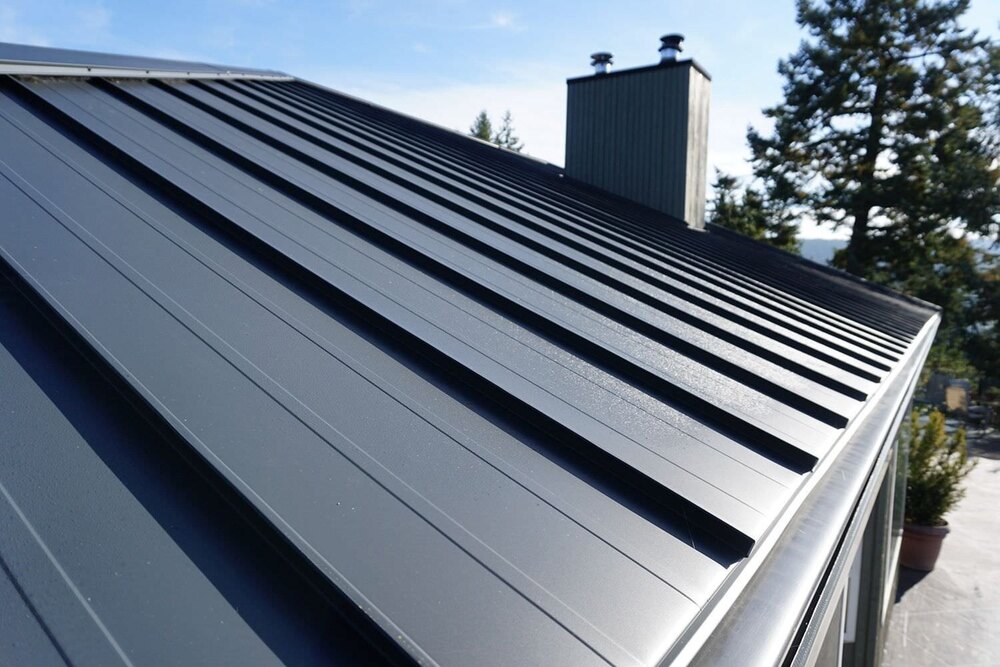
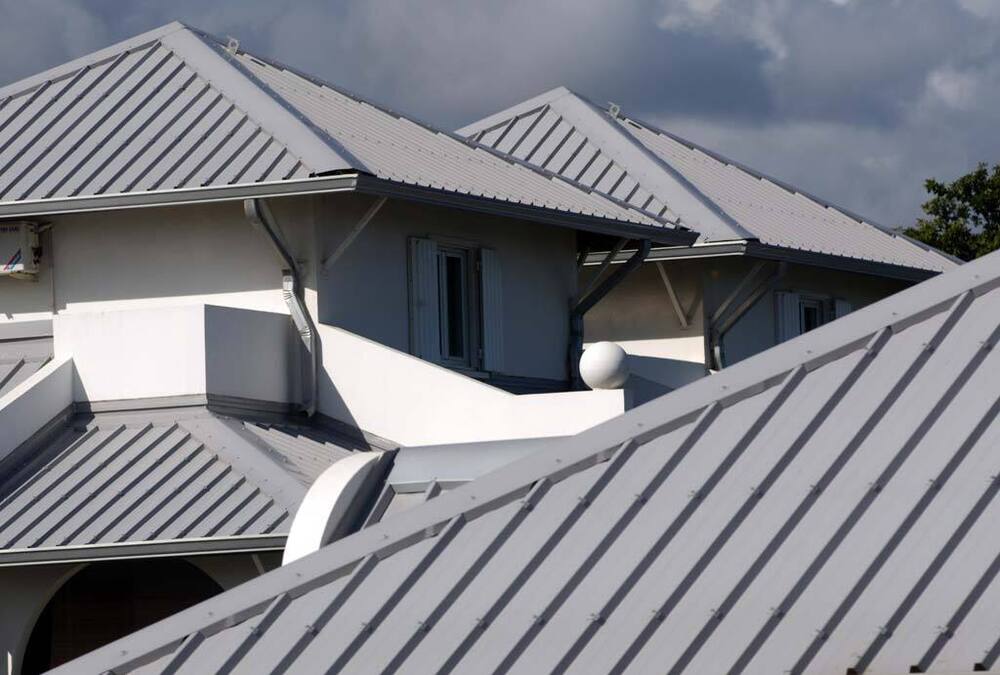
One of the most modern and durable roofing systems is a standing seam roof, which has a smooth look and lasts long. It is characterized by vertical metal panels having exaggerated interlocking spaces, which extend continuously along the roof ridge to the eaves, making it better weather-resistant. This design has a minimum of leak points and has high resistance to wind, rain, and snow. Standing seam roofs are very efficient in conserving energy as they are usually covered with reflective covers, which save on the cost of heating and cooling. It is a convenient and fashionable roofing material that can be modified to various colors and finishes to incorporate a modern touch to residential and commercial structures.
Exceptional Wind and Weather Resistance
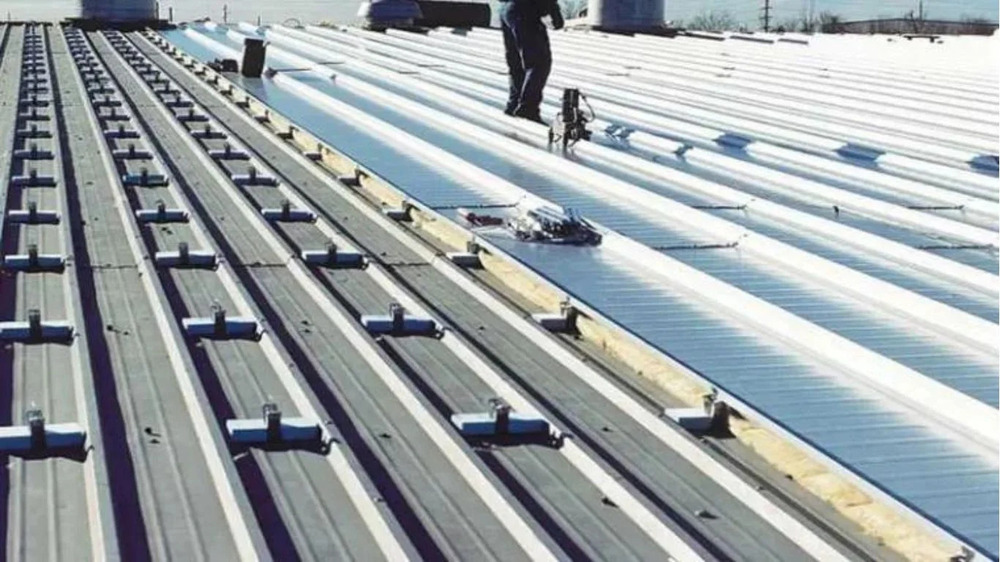
Standing Seam Roof systems are engineered to perform reliably in high wind zones. The concealed clip lock fastening ensures superior resistance to wind uplift, while mechanically seamed interlocking panels create an exceptionally weather-tight barrier, keeping your building protected during severe weather events.
Customization and Versatile Application
Choose from a wide range of profiles, lengths (up to 12 meters), and colors to match your project requirements. The adaptable design suits industrial, commercial, or residential roofing applications, integrating seamlessly with matching flashings, gutters, and downpipes for a tailored and cohesive finish.
Long-term Fire Safety and Sustainability
Manufactured from non-combustible, highly recyclable metals, Standing Seam Roof systems offer peace of mind with robust fire resistance and environmental responsibility. Coatings like Galvalume or PPGL enhance durability, while the system's compatibility with insulation contributes to energy efficiency.
FAQ's of Standing Seam Roof:
Q: How does the Standing Seam Roof provide excellent resistance to wind uplift?
A: The Standing Seam Roof utilizes a concealed clip lock fastening system and mechanically seamed interlocking panels, which distribute wind forces efficiently. This engineered design is highly effective in high wind zones, minimizing the risk of roof panel detachment during extreme weather.
Q: What materials and surface treatments are used in Standing Seam Roof panels?
A: Our panels are crafted from galvanized steel or aluminum and finished with advanced coatings such as Galvalume, PPGL, or color coatings. These materials provide corrosion resistance, durability, and long-term attractive appearance.
Q: When is a Standing Seam Roof the right choice for a project?
A: Standing Seam Roofs are ideal for industrial, commercial, and residential buildings requiring robust weather protection, low maintenance, and high wind or fire resistance. They are particularly suited for regions prone to severe weather conditions.
Q: Where can Standing Seam Roof systems be applied?
A: These roofing systems are versatile and can be installed on a wide range of buildings-including factories, warehouses, offices, and residential homes-anywhere top-tier protection, aesthetics, and long panel spans up to 12 meters are required.
Q: What is the installation process for Standing Seam Roof panels?
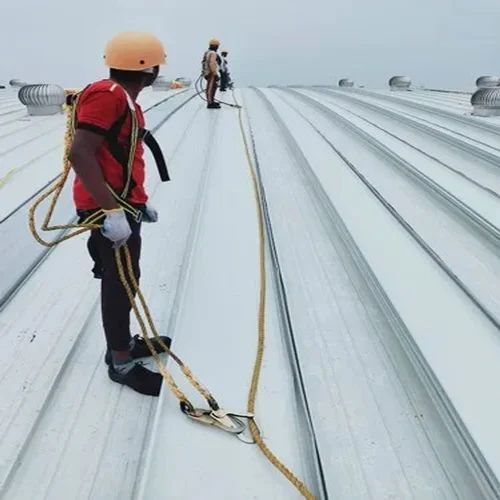
A: Panels are laid with a concealed fastening system and joined by mechanical seaming, resulting in minimal exposed fasteners. This installation method ensures superior weather tightness and accommodates thermal expansion and contraction, reducing the likelihood of leaks and damage over time.
Q: Can Standing Seam Roof systems be customized for specific project needs?
A: Yes, panel profiles, lengths (up to 12 meters), rib heights, and colors are all customizable. Matching accessories like flashings, gutters, and downpipes are also available, ensuring compatibility with diverse architectural and functional requirements.
Q: What are the environmental benefits of choosing a Standing Seam Roof?
A: Composed of highly recyclable metals, the Standing Seam Roof supports green building initiatives. The pre-painted or anti-corrosive coatings extend lifespan, while the system's compatibility with varied insulation options contributes to greater energy efficiency.



 Send Inquiry
 08045814244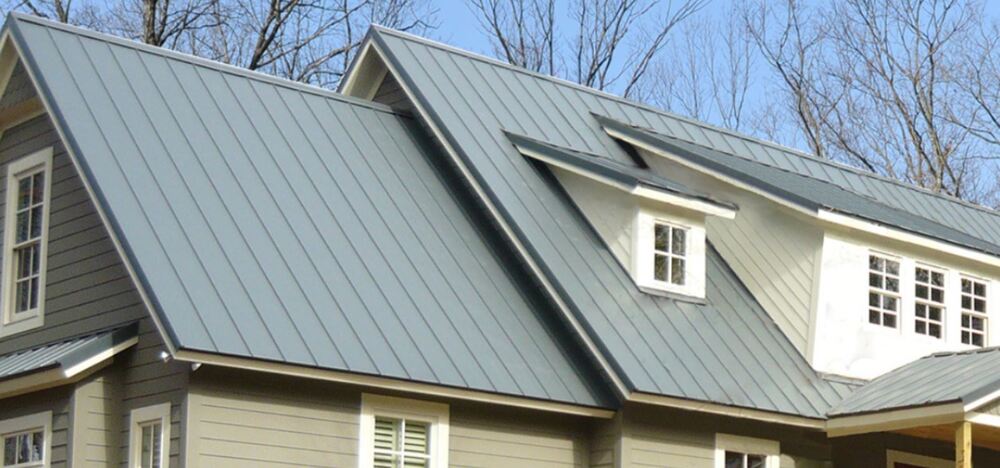

 Send Inquiry




 Send Inquiry
 Send SMS
 Call Me Free
