About Leakage Proof Roof
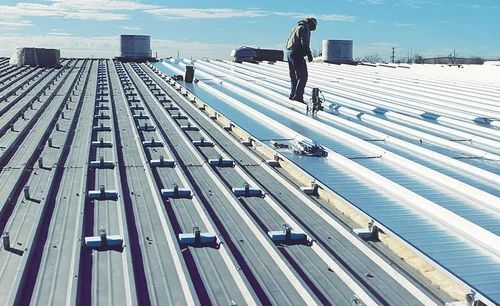
The leakage-proof roof will provide long-term protection of your home or building because it stops the leakage of water and damage to structures. Its waterproofing solutions and its strong materials are helpful to protect the interiors against moisture, mould, and expensive repairs. Having a properly installed leakage-proof roof will result in higher durability, as well as in increased energy efficiency due to the ability to maintain the insulation constant. It will withstand heavy rains or weather conditions and still maintain the strength of the building without allowing it to leak. Investing in a leakage-proof roof implies investing in safety, comfort, and long-term value, which guarantees a good peace of mind and minimizes maintenance costs over time.
FAQ's of Leakage Proof Roof:
Q: How is Leakage Proof Roof applied to different roof surfaces?
A: Leakage Proof Roof can be applied using a brush, roller, or spray, making it suitable for various roof types and surfaces. Ensure the surface is clean and dry before application for best results.
Q: What factors determine the coverage area of Leakage Proof Roof?
A: The coverage area is mainly determined by the application thickness. Thicker coatings provide better protection but cover less area per kilogram. Refer to the product instructions for recommended thickness guidelines.
Q: When is the best time to apply Leakage Proof Roof for optimal performance?
A: It is recommended to apply Leakage Proof Roof during dry weather conditions to allow for proper curing. The product dries in 4 to 6 hours, so plan application on a day with no rain in the immediate forecast.
Q: Where can Leakage Proof Roof be used for waterproofing?
A: Leakage Proof Roof is specifically designed for roof waterproofing but can be used on various roof structures, including concrete, metal, and other standard roofing materials. It is ideal for both residential and commercial applications.
Q: What is the process for applying Leakage Proof Roof membrane?
A: Begin by preparing the roof surface-clean and free it from dust, grease, or loose particles. Apply the product evenly using a brush, roller, or spray. Allow 4-6 hours for drying before any foot traffic or further construction activities.
Q: What are the main benefits of using Leakage Proof Roof for waterproofing?
A: Leakage Proof Roof offers superior leakage protection, UV and weather resistance, and long-lasting durability. Its polymeric membrane technology extends roof lifespan and reduces maintenance needs.
Q: How should Leakage Proof Roof be stored to maintain its shelf life?
A: Store Leakage Proof Roof in its original, tightly sealed drums in a cool, dry place away from direct sunlight. Under proper conditions, it retains its effectiveness for 12 to 24 months.



 Send Inquiry
 08045814244

 Send Inquiry




 Send Inquiry
 Send SMS
 Call Me Free
