About Prefabricated Structures
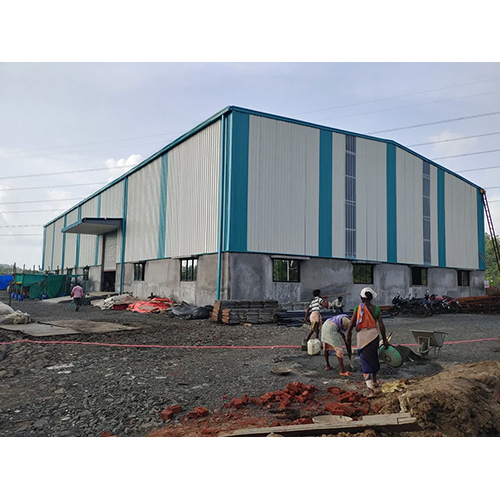
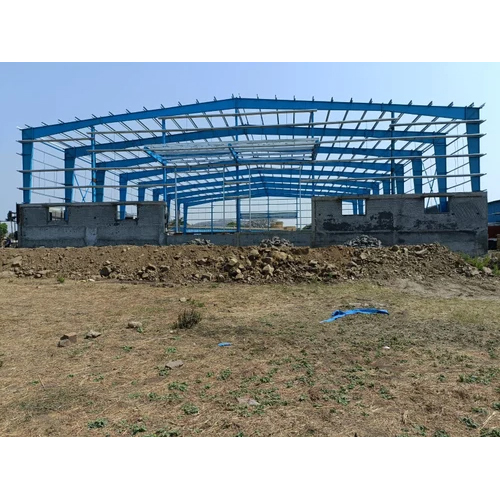
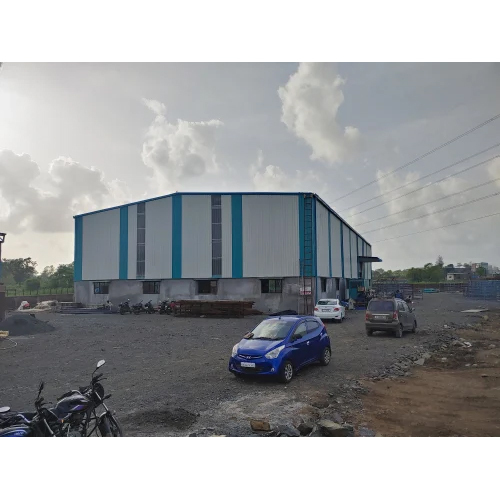
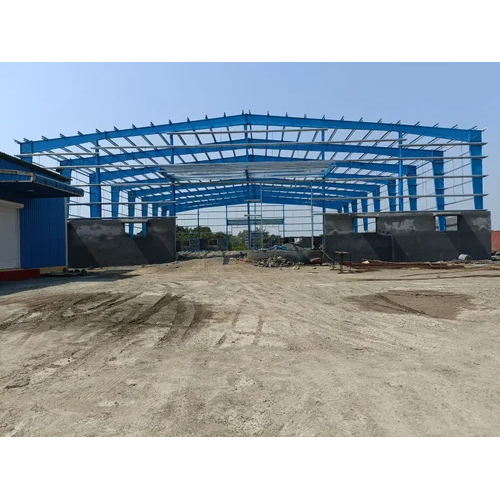
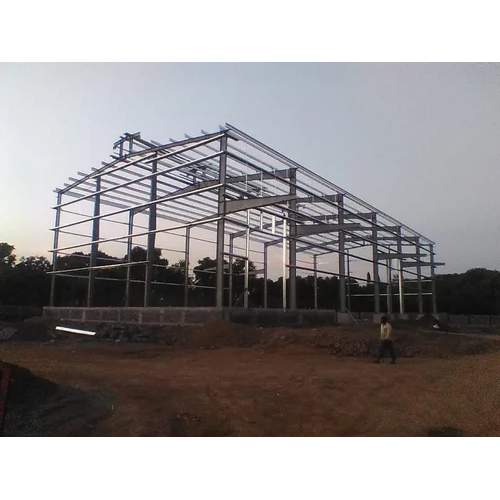
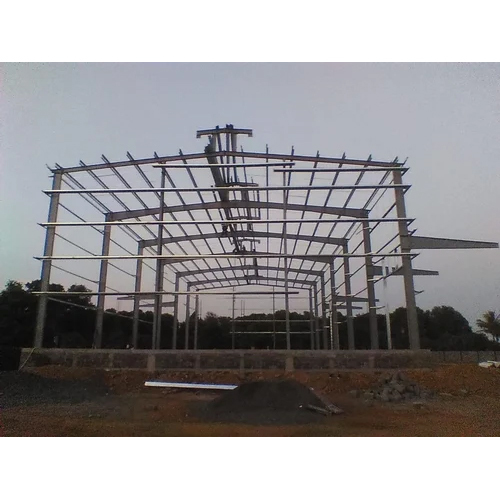
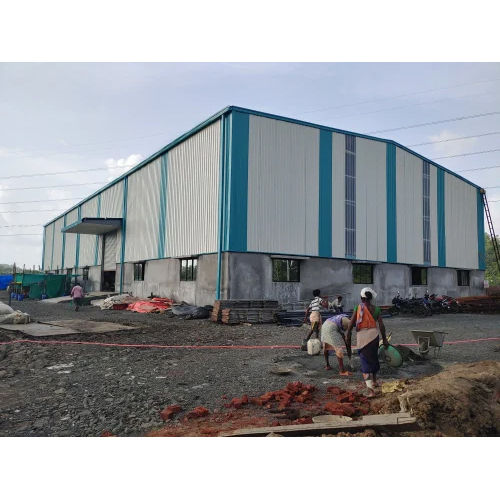
Prefabricated Structures are frequently made of transportable pieces or modules that may be put together on-site. Shorter project schedules and faster building procedures are made possible by this modular strategy. These constructions are intended to provide effective, affordable, and adaptable solutions for a variety of building requirements, from residential dwellings to office buildings and industrial facilities. Prefabricated structures can be complete buildings, structural elements like roof trusses or wall panels, or even modular dwelling units. They are employed in a variety of settings, including industrial warehouses, residential residences, commercial offices, and healthcare institutions.
Product details
|
Built Type
|
Modular
|
|
Service Location/City
|
Ahmedabad
|
|
Country of Origin
|
Made in India
|
Multi-Purpose DesignThese prefabricated structures cater to diverse uses, including warehouses, plants, hotels, kiosks, and more. Their adaptability makes them suitable for all environments.
Robust and Sustainable MaterialsConstructed from durable materials like steel, sandwich panels, and gypsum boards, these buildings are designed to withstand extreme conditions, including earthquakes up to Zone 4.
Efficient and CustomizableWith bolted connections, a lifespan of 50 years, and options for insulation and wall or roof materials, these structures can be customized to your exact requirements.
FAQs of Prefabricated Structures:
Q: What are the common applications of these prefabricated structures?
A: These structures are commonly used as warehouses, offices, shops, houses, workshops, and hotels/restaurants, covering both residential and commercial needs.
Q: How customizable are the dimensions and features of these prefabricated structures?
A: The dimensions, connection type, color, doors, windows, insulation, and materials can all be customized based on specific requirements.
Q: What is the expected lifespan of these prefabricated structures?
A: Prefabricated structures are built to last up to 50 years under standard use conditions.
Q: How do the prefabricated structures handle natural disasters like earthquakes?
A: These structures are designed to withstand earthquake zones of intensity levels 3 and 4, ensuring safety in such scenarios.
Q: What materials are used for insulation in these structures?
A: Insulation options include glass wool, rock wool, PU, and EPS to provide thermal efficiency and comfort.
Q: What types of roofs and wall materials are available for these structures?
A: Roofs can be made from aluminum sheets, steel, wooden, cement boards, and more. Walls may utilize steel, sandwich panels, PVC panels, gypsum boards, and even wooden materials.
Q: What kind of loads can the floor and roof of the structures support?
A: The floors support loads between 400-1200 long tons, while roof live and dead loads are calculated according to wind speed and requirements.
Technical Details 



 Send Inquiry
 08045814244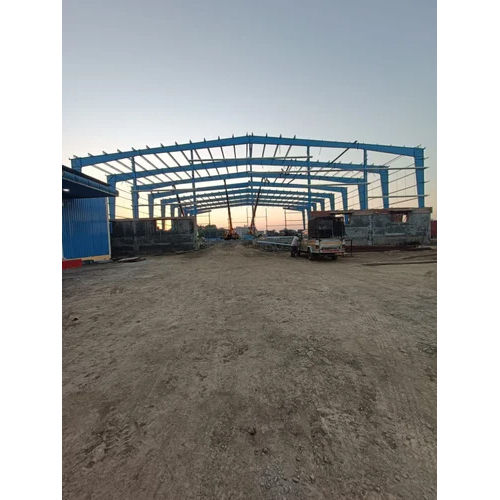





 Send Inquiry
 Send SMS
